Mastering Wine Pairing with Food
Learn professional sommelier techniques for matching wines with cuisine, elevating dining experiences, and creating memorable flavor combinations.
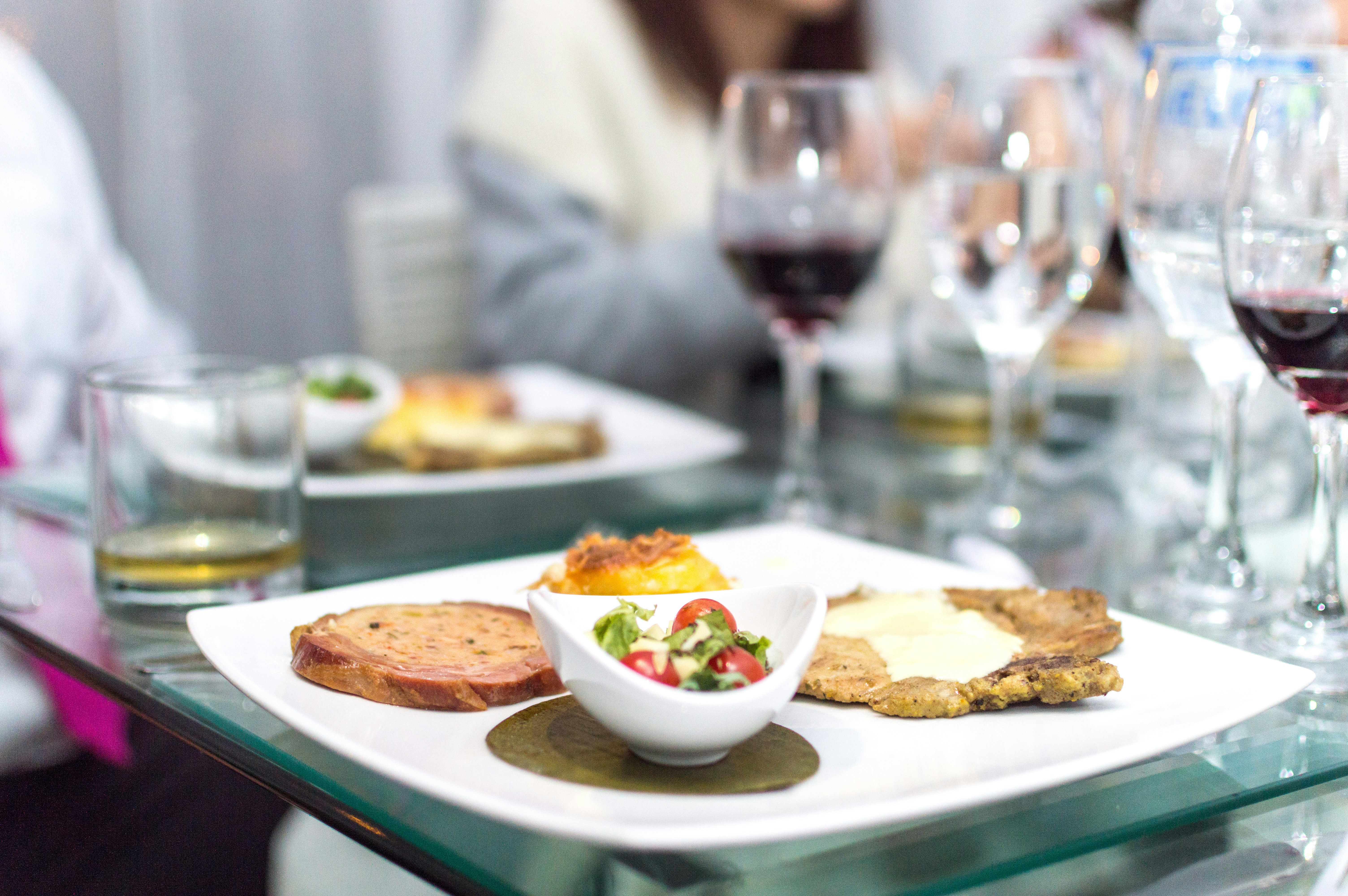
Learn professional sommelier techniques for matching wines with cuisine, elevating dining experiences, and creating memorable flavor combinations.
Wine pairing represents the sophisticated intersection of chemistry, psychology, culinary knowledge, and personal preference. When executed skillfully, proper pairings create synergistic effects—wine and food enhance each other, revealing dimensions neither possesses independently. Conversely, poor pairings produce jarring flavor conflicts that diminish both wine and cuisine enjoyment.
Professional sommeliers spend years developing intuitive pairing abilities, studying hundreds of wines and countless cuisines, understanding how flavor components interact. This expertise isn't esoteric magic but learnable principles combining scientific understanding with accumulated tasting experience. By mastering fundamental pairing concepts, any consumer can dramatically improve their dining experiences and impress guests with sophisticated selections.
Modern wine pairing has evolved beyond rigid rules toward flexible guidelines respecting individual preferences while providing structural frameworks. Understanding why certain combinations work—rather than merely memorizing specific pairings—empowers adaptable decision-making across diverse cuisines and wines.
Complementary pairings match wines sharing flavor families with dishes, creating harmonious unity. Earthy pinot noirs complement mushroom-based dishes, their similar flavor profiles creating seamless combinations. Herbaceous sauvignon blancs pair beautifully with goat cheese, sharing green notes creating flavor coherence. Richly oaked chardonnays complement buttery seafood preparations, their shared fat-soluble compounds creating integrated experiences.
Contrasting pairings deliberately juxtapose complementary flavors and textures. Acidic white wines cut through rich, fatty foods (champagne with oysters, Riesling with pork belly), their acidity cleansing palates and preventing flavor monotony. Tannic reds balance spicy, fatty proteins, tannins interacting with fat creating pleasant dryness offsetting richness. Sparkling beverages bubble through heavy dishes, their effervescence creating refreshing textural contrast.
Wines and dishes should share similar intensities—light wines pair with delicate dishes, full-bodied wines with robust preparations. Pairing champagne's delicate effervescence with grilled meats overwhelms lighter wine profiles. Conversely, intense Cabernet Sauvignon obscures subtle seafood flavors. Matching intensity levels ensures neither component dominates, creating balanced experiences.
The principle "what grows together, goes together" suggests regional wines pair harmoniously with traditional local cuisines. This approach reflects how wines evolved reflecting regional ingredients and cooking methods. Italian wines from Tuscany pair beautifully with Italian cuisine because they developed together over centuries. This heuristic provides reliable starting framework when exploring unfamiliar wine-cuisine combinations.
Successful pairing requires understanding key wine characteristics affecting food compatibility:
High-acidity wines (Rieslings, Sauvignon Blancs, unoaked Chardonnays) cut through fatty foods, refreshing palates between bites. Acidic wines pair excellently with rich sauces, fried preparations, and fatty proteins. Low-acidity wines work better with acidic dishes (tomato-based sauces, vinaigrettes) to prevent excessive sourness.
Tannic reds provide drying sensations, interacting with dietary proteins and fats in complex ways. High-tannin wines pair with protein-rich dishes—beef, lamb, game—where tannins' dryness balances savory richness. Low-tannin reds pair better with lighter proteins or non-meat dishes where tannins wouldn't create balance.
Higher alcohol wines (15%+) feel heavier, warming the mouth with their intensity. These full-bodied wines pair with robust dishes but can overwhelm delicate preparations. Lower alcohol wines (12-13%) feel lighter, suitable for delicate seafood and vegetable-focused courses. Alcohol content directly influences intensity matching.
Sweet wines (Rieslings, Moscatos) pair with desserts, spicy dishes (where sweetness balances heat), and strong cheese. Dry wines pair with savory preparations where sweetness wouldn't create balance. Understanding residual sugar prevents clashing sweet-sweet or sweet-spicy combinations.
Wines' primary and secondary flavors (fruit notes, earth, spice, oak influence) guide complementary pairing. Fruity wines pair with fruit-forward dishes, earthy wines with earthy preparations, oaky wines with wood-grilled foods. Identifying wine flavor profiles enables intuitive pairing decisions based on culinary ingredients.
Delicate white fish (sole, halibut): Pair with light, acidic whites—Sauvignon Blanc, Pinot Grigio, Chablis. The wines' acidity complements delicate fish flavors without overpowering.
Rich fish (salmon, tuna): Match with fuller-bodied whites—Chardonnay, Alsatian Riesling—or light-bodied reds like Pinot Noir. The wine's body balances fish's richness.
Shellfish (oysters, clams): Champagne and sparkling wines pair beautifully, their acidity and effervescence complementing briny minerality. Sauvignon Blanc and Muscadet also work excellently.
Lighter preparations (grilled chicken breast): Light-bodied whites—Riesling, Vermentino, Albariño—provide appropriate intensity matching.
Rich preparations (cream sauce, duck): Fuller-bodied whites—Burgundy, White Rhône blends—or Pinot Noir provide sufficient body and complexity for dish richness.
Spiced/barbecued preparations: Off-dry Rieslings balance spice heat through slight sweetness. Rosé wines also work excellently, their acidity and fruit addressing both spice and richness.
Red meat (beef, lamb): Full-bodied, tannic reds—Cabernet Sauvignon, Bordeaux blends, Barolo—pair beautifully. Tannins' dryness balances meat's richness and umami intensity.
Pork: Versatile protein pairs with whites (rich chardonnays), reds (Pinot Noir, lighter Syrah), and even rosés depending on preparation.
Game (venison, wild boar): Earthy, structured reds—aged Burgundy, Rhône reds, Spanish Rioja—complement game's distinct flavors and richness.
Soft cheese (brie, camembert): Pair with Champagne, light reds (Pinot Noir), or unoaked whites creating contrast with cheese's richness.
Hard cheese (Cheddar, Gruyère): Fuller-bodied wines with acidity—oaked Chardonnay, Cabernet Sauvignon—balance cheese's intensity.
Blue cheese: Sweet wines (Port, Sauternes) or strong reds (Syrah, Amarone) provide sufficient intensity for blue cheese's assertive character.
When dining at restaurants, sommeliers provide invaluable pairing assistance. Effective communication involves describing preferred wine styles, food selections, and budget constraints. Providing cuisine information helps sommeliers match personality preferences with pairings. Requesting slightly lower-priced recommendations offers excellent value—restaurant markups make second-tier wines surprisingly good values compared to more famous labels.
For home entertaining, consider selecting wines before planning menus, or plan menus around wines you enjoy. Multi-course meals benefit from progressive wine pairings—lighter wines before heavier, whites before reds—respecting palatal progression. For casual gatherings with multiple dishes, selecting versatile wines (Riesling, Pinot Noir, Champagne) accommodates diverse plates without requiring perfect individual pairings.
Developing pairing expertise requires tasting identical wines alongside different dishes, noting which combinations create synergy. Keeping tasting journals recording pairings and reactions builds personal reference library. Experimenting with unexpected combinations develops intuitive understanding—occasionally, seemingly poor pairings become favorite discoveries.
Ultimate pairing authority remains personal preference. If you love a combination others criticize, trust your palate—wine appreciation remains inherently subjective. Guidelines provide frameworks enabling better decisions, not rigid rules eliminating exploration. Your favorite pairing matters infinitely more than any sommelier recommendation.
Beer Pairing: Beer's diverse styles enable sophisticated pairing. Hoppy IPAs pair with spicy foods, their bitterness balancing heat. Smooth lagers complement seafood and lighter dishes. Rich stouts and porters pair beautifully with chocolate desserts and meaty preparations. Understanding beer styles using similar frameworks as wine enables excellent pairings.
Kombucha and Fermented Beverages: These effervescent, slightly acidic drinks pair excellently with fatty foods and desserts. Their probiotic content and light sweetness provide interesting alternatives to traditional wine or beer pairings.
Tea Pairing: Sophisticated tea traditions include pairing guidance developed over centuries. Bold black teas pair with rich meats and desserts, while delicate white teas complement light seafood. Green tea's vegetal notes pair beautifully with Asian cuisines. Understanding tea's flavor profiles enables creative food pairings transcending wine-centric perspectives.