Complex, sophisticated, and endlessly diverse fermented grape juice representing centuries of winemaking tradition and terroir expression.
Red wine's history spans millennia, intertwined with human civilization's development. Winemaking began approximately 8,000 years ago in the Caucasus region and Mesopotamia, where spontaneous fermentation of crushed grapes transformed into intentional production. Early winemakers discovered that grape juice, when left in closed vessels, fermented through wild yeast naturally present on grape skins, creating an alcoholic beverage with preservative qualities.
Ancient civilizations—Egyptians, Greeks, and Romans—elevated winemaking from simple preservation to sophisticated production. The Romans particularly systematized wine production, establishing vineyards throughout their empire and developing classification systems that influenced modern wine regions. Roman advances in barrel technology and understanding of fermentation chemistry set precedents still influencing contemporary production.
Medieval and Renaissance Europe saw European monasteries become primary winemakers and innovators. Monks developed modern viticultural techniques, maintained detailed fermentation records, and established many famous vineyards still operating today. The concept of vintage classification emerged during this period as monks recognized how weather variations between years dramatically affected wine quality.
The 18th and 19th centuries witnessed wine's transformation into a luxury commodity and object of scientific study. The classification of Bordeaux wines in 1855 established quality benchmarks influencing wine commerce globally. The discovery of anaerobic glass bottle storage revolutionized wine aging capabilities, allowing wines to develop complexity over decades rather than months.
Modern red wine encompasses endless variations—from traditional European classics to innovative New World interpretations. Contemporary winemaking combines ancient traditions with scientific understanding of fermentation chemistry, allowing winemakers unprecedented control while maintaining tradition.
Cabernet Sauvignon: The world's most planted premium red grape, renowned for structure, aging potential, and flavors of dark fruits, tobacco, and spice. Originating in Bordeaux, Cabernet Sauvignon now thrives in diverse climates globally.
Pinot Noir: Elegant, complex, and notoriously difficult to cultivate, Pinot Noir produces nuanced wines with raspberry, cherry, and earthy notes. Revered for its ability to express terroir subtly, Pinot Noir rewards careful winemaking with remarkable depth.
Merlot: Softer and more approachable than Cabernet, Merlot offers plum and cherry flavors with velvety mouthfeel. Often blended with Cabernet to soften tannins, pure Merlot shows remarkable quality in ideal conditions.
Syrah/Shiraz: Powerful, peppery wines with dark fruit character and potential for great complexity. Syrah excels in cooler climates (producing elegance), while Shiraz in warm regions creates bold, jammy expressions.
Grenache, Tempranillo, Nebbiolo: Distinctive regional varieties offering unique flavor profiles and cultural significance, celebrated by enthusiasts seeking authentic regional expressions.
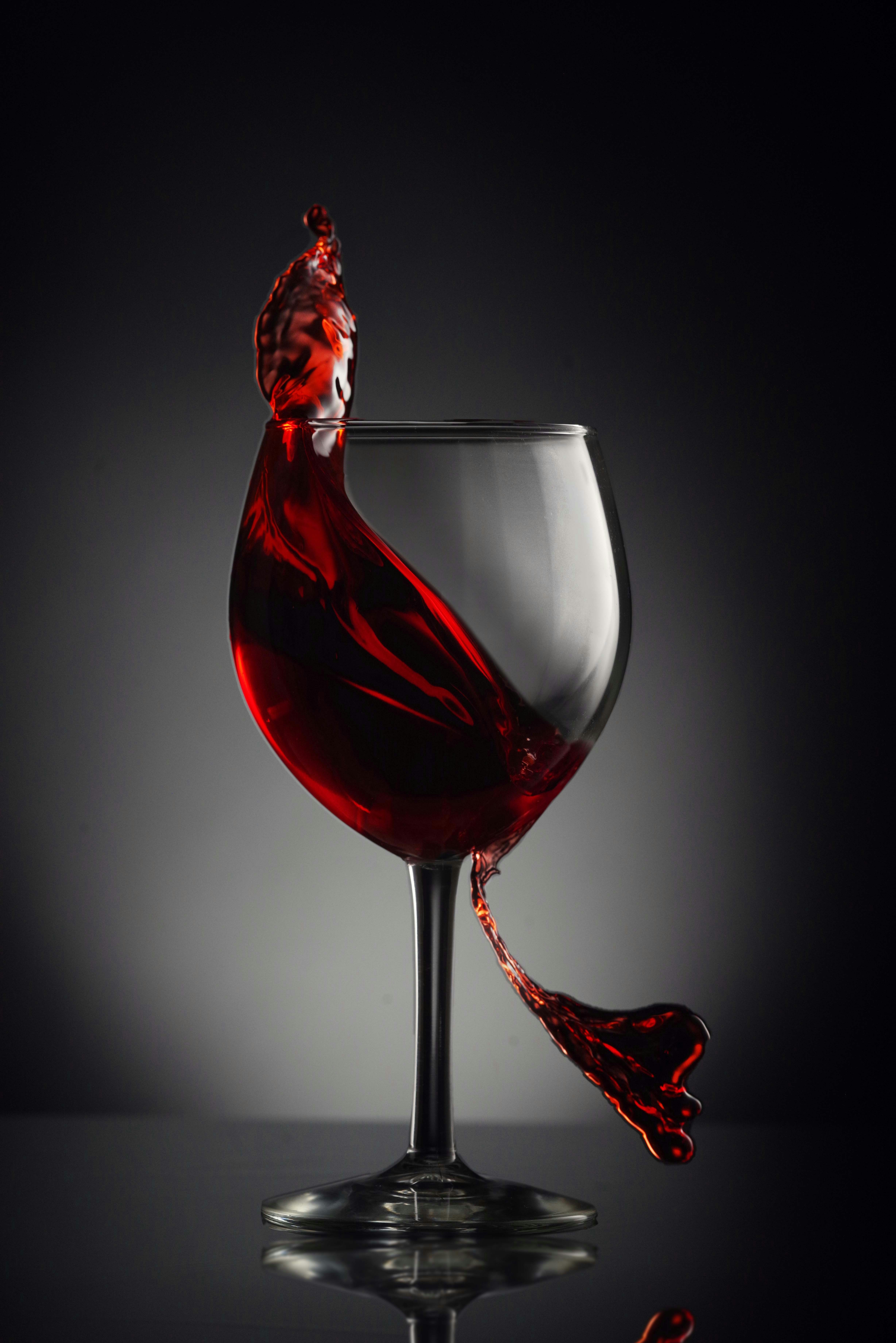
Harvest and Crushing: Red grapes are hand-picked or mechanically harvested, then crushed to break skins and expose juice to yeast and fermentation. The timing of harvest critically influences final alcohol and flavor.
Maceration and Fermentation: Grape skins remain in contact with juice during fermentation, extracting color, tannins, and flavor compounds. Duration determines wine's concentration and structure. Temperature control significantly impacts fermentation character and final flavors.
Pressing: After fermentation, remaining grape solids are pressed to extract additional wine. The decision of how hard to press determines how much tannin enters the final wine.
Malolactic Fermentation: After alcoholic fermentation, lactic acid bacteria convert harsh malic acid to softer lactic acid, reducing acidity and adding complexity. Many red wines undergo full malolactic fermentation.
Aging: Red wines age in barrels (oak or stainless steel) or bottles. Oak aging introduces vanilla, spice, and toast notes while allowing microoxidation. The length and intensity of aging dramatically affects final character.
Color and Clarity: Red wine ranges from pale ruby to deep garnet depending on age and grape variety. Younger wines appear more vivid, while aged wines become increasingly brownish. Clarity indicates proper production and storage.
Nose (Aroma): Red wine aromas evolve from primary fruit notes to secondary flavors from fermentation and aging. Swirl gently to aerate and intensify aromas. Note fruit character (cherry, plum, berry), earth notes, oak influence, and any off-aromas.
Palate (Taste): Let wine coat your mouth, noting tannin structure, acidity, alcohol warmth, and flavor progression. Quality red wines display balanced components that evolve and harmonize rather than compete.
Finish: Excellent red wines leave persistent flavors lingering 30+ seconds after swallowing. The finish reveals wine's complexity and quality, showing how components integrate.
Light, Fruity Reds: Pair with grilled fish, light pasta, poultry, and Mediterranean dishes. These wines' lower tannins work with delicate foods.
Medium-Bodied Reds: Complement beef stews, roasted chicken, hard cheeses, and slightly spiced foods. Their balanced tannins and alcohol work with diverse cuisines.
Full-Bodied Reds: Match intense flavors in grilled steaks, hearty stews, game meats, and aged cheeses. The structural tannins demand substantial food.
Not all red wines improve with aging. Wines with high tannins, acidity, and concentration develop complexity over time, while others peak within 2-3 years of release. Optimal storage requires consistent cool temperature (45-65°F), darkness, and horizontal bottle positioning to keep corks moist.
Great reds from exceptional vintages and renowned producers can age for 20-50+ years, developing secondary flavors, softening tannins, and gaining complexity. Understanding aging potential prevents premature consumption or unnecessary cellaring of short-lived wines.
Producer Reputation: Research winemakers' track records, awards, and critical acclaim. Established producers with consistent quality provide reliable choices across price points.
Vintage Assessment: Learn which recent vintages performed well in your preferred regions. Wine critics provide vintage ratings guiding selection. Generally, great wines from mediocre vintages offer value, while mediocre wines from great vintages command premium prices.
Price Guidance: Excellent red wines exist at all price points. Budget selections under $20 offer daily drinking pleasure, mid-range wines ($20-75) provide quality for special occasions, while premium bottles ($75+) suit investment or milestone celebrations.
Retailer Guidance: Quality wine shops employ knowledgeable staff who provide personalized recommendations based on preferences, occasion, and budget.