The Ancient Origins of Tea Ceremonies
Discover the profound history of ritualistic tea preparation—a practice transforming simple beverages into profound cultural expressions spanning thousands of years.
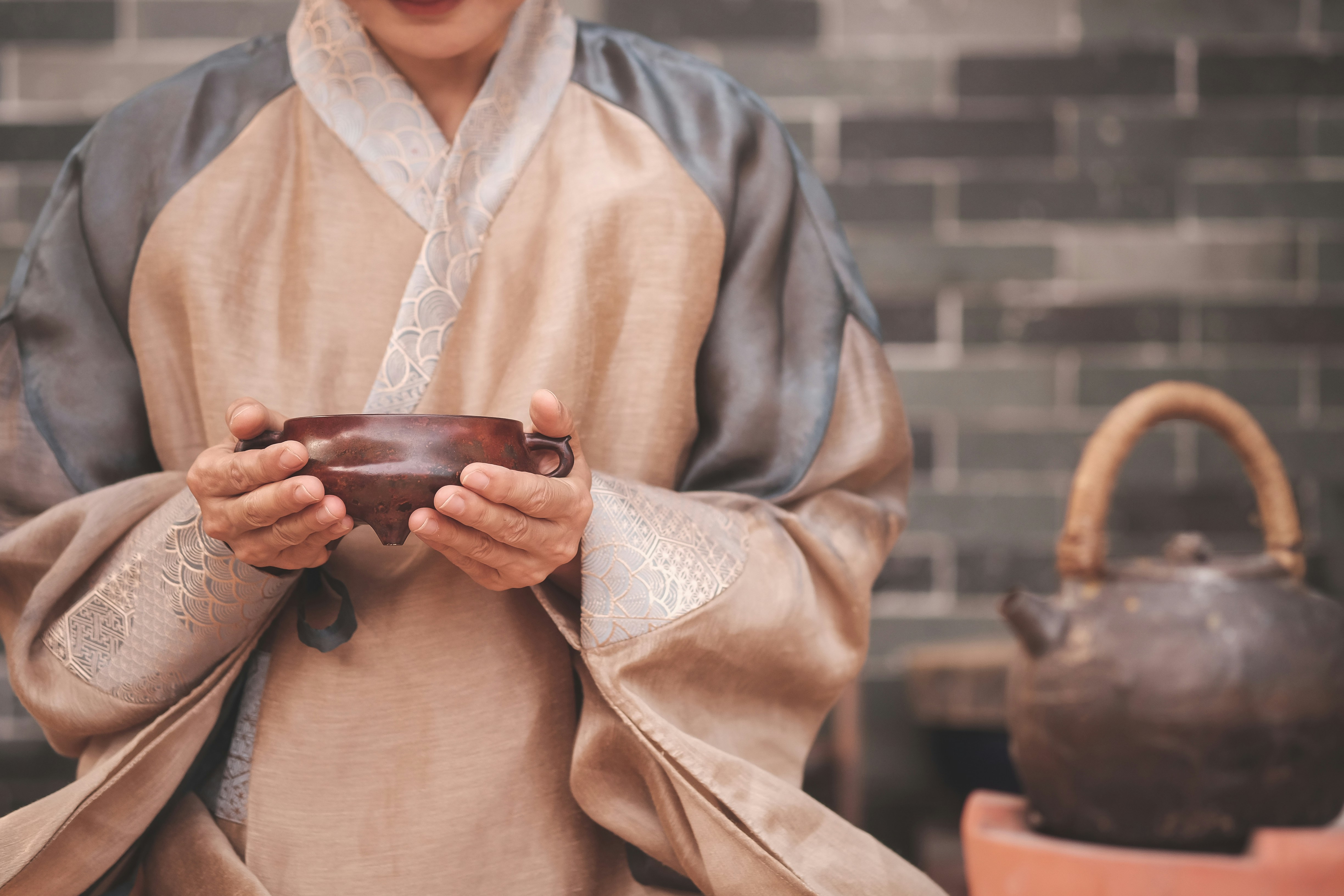
Discover the profound history of ritualistic tea preparation—a practice transforming simple beverages into profound cultural expressions spanning thousands of years.
Tea ceremonies represent perhaps history's most sophisticated beverage traditions, transforming simple leaf preparation into profound spiritual and cultural practices. These ceremonies transcend mere consumption, embodying philosophy, aesthetics, season consciousness, and social values. The formalized procedures, carefully selected utensils, and deliberate movements create meditative experiences connecting participants to ancient traditions, natural cycles, and each other.
Archaeological evidence suggests tea consumption began in southwestern China approximately 3,000 years ago, initially valued for medicinal properties. Over centuries, tea preparation evolved from crude medicinal decoctions into elaborate artistic expressions. This transformation paralleled cultural developments, as tea ceremonies became intertwined with Buddhism, Taoism, and Zen philosophy, developing distinct traditions across China, Japan, Korea, and Southeast Asia.
Understanding tea ceremonies provides insight into how cultures ritualize everyday activities, creating meaning beyond physical sensation. These practices demonstrate human capacity to elevate the mundane into the transcendent through intention, aesthetics, and community.
China's tea culture represents the source from which most Asian tea traditions flow. According to mythology, tea's discovery dates to 2737 BCE when Emperor Shen Nong detected leaves blowing into his pot of boiling water, creating a pleasant beverage. While legendary, this myth reflects tea's ancient status in Chinese civilization.
The Tang Dynasty (618-907 CE) witnessed tea's transformation from medicinal herb to cultural cornerstone. Scholar Lu Yu, the "Sage of Tea," wrote the Cha Jing (Classic of Tea), the first comprehensive tea text establishing sophisticated preparation methods, vessel selection, and water quality considerations. Lu Yu's work elevated tea preparation to artistic expression, documenting how factors like spring water temperature, seasonal leaf selection, and brewing vessel materials affected final cup quality.
During Tang times, tea preparation involved grinding dried leaves into fine powder, mixing with hot water and salt, and serving in porcelain bowls. This method, called "dian cha" (whisking tea), dominated elite court practice and influenced subsequent Japanese traditions. Tea competitions became popular elite entertainment, with connoisseurs assessing color, aroma, and taste of carefully prepared whisked teas.
The Song Dynasty (960-1279 CE) represented Chinese tea culture's aesthetic pinnacle. Highly valued "longjing" (dragon well) and other premium teas from specific regions commanded extraordinary prices. Song court officials conducted elaborate tea competitions assessing minute differences in leaf quality, infusion color, and nuanced flavors. Exquisite porcelain bowls and vessels became treasured artwork, with specific glazes prized for how they enhanced tea's visual presentation.
Philosophical integration deepened during Song times, as Confucian scholars incorporated tea appreciation into their meditative and intellectual practices. Tea preparation became metaphor for life—requiring patience, proper proportions, precise temperature management, and acceptance of natural variation. These philosophical dimensions influenced later Japanese Zen approaches to tea.
Japanese tea tradition emerged directly from Chinese practices, with Buddhist monks bringing tea to Japan approximately 900 CE. Initially valued for maintaining alertness during meditation, tea gradually developed into formalized ceremony reflecting Zen Buddhist philosophy.
The Muromachi Period (1336-1573) witnessed chanoyu (tea ceremony) formalization into the sophisticated practice recognized today. Buddhist monks in Kyoto developed elaborate ceremonies incorporating Chinese Song Dynasty aesthetics with Zen philosophy. The ceremony transformed from simple refreshment into spiritual practice—participants preparing tea became living expressions of Zen principles like simplicity, humility, and presence.
Matcha emerged as the preferred tea form during this period, with finely ground powder offering superior ceremonial properties compared to leaf tea. Three masters formalized modern tea ceremony: Juko Murata (1423-1502) established basic ceremony principles emphasizing spiritual cultivation, Takeno Joo (1502-1555) refined aesthetics emphasizing wabi-sabi (beauty in imperfection), and Sen no Rikyu (1522-1591) systematized practices creating the foundation for contemporary chanoyu.
Sen no Rikyu revolutionized tea ceremony by moving from ostentatious displays toward deliberate simplicity. Rikyu established that profound beauty existed in ordinary objects and humble spaces. His four principles—harmony (wa), respect (kei), purity (sei), and tranquility (jaku)—became chanoyu's philosophical core, surviving over 400 years to contemporary practice.
Wabi-sabi, untranslatable into English, represents finding profound beauty in impermanence, simplicity, and imperfection. Rather than ornate gold vessels, wabi-sabi celebrates asymmetrical hand-crafted bowls with irregular glaze. Rather than elaborate spaces, wabi-sabi values modest tea houses with paper walls and single flower arrangements. This aesthetic philosophy transformed tea ceremony from display of wealth into meditation on impermanence and acceptance—principles profoundly influencing Japanese aesthetics beyond tea preparation.
Korean Tea Ceremony (Darye): Korea developed distinctive tea practices distinct from both Chinese and Japanese traditions. Korean tea ceremony emphasizes naturalness and spontaneity within structured forms. Rather than elaborate ritualized movements, Korean darye values conversation and connection, with tea preparation creating framework for meaningful social interaction. Contemporary Korean practitioners often incorporate traditional musical instruments and poetry recitation into ceremony.
Vietnamese Tea Culture: Vietnam's tea tradition reflects Chinese influence adapted to local conditions. Vietnamese tea culture emphasizes social dimensions, with tea serving as lubricant for conversation, business negotiation, and family gathering. Tea houses became cultural institutions where philosophical debates occurred and artistic performances transpired. The tradition persists today in Vietnamese tea houses where preparation rituals remain secondary to social connection.
Thai and Cambodian Traditions: Southeast Asian tea cultures developed around locally-grown varieties, often incorporating herbs and flowers. Laotian sticky rice and Thai iced tea represent distinct traditions adapted to regional climates and preferences. These traditions prioritize flavor complexity and accessibility over formalized ceremony, reflecting different philosophical emphases than Chinese or Japanese practices.
The tea master occupies ceremony's center, preparing tea before gathered guests. This role transcends simple beverage preparation—the master represents host, artist, and spiritual guide simultaneously. Master training requires years of study learning precise movement sequences, understanding tea varieties and optimal preparation methods, developing aesthetic sensibilities, and cultivating psychological presence. During ceremony, the master's actions become meditation made visible, with each movement performed with complete attention and reverence.
Tea ceremony utilizes carefully selected utensils, each serving practical and aesthetic functions. The tea bowl represents centerpiece, often hand-crafted ceramics selected for their unique character. Whisk, ladle, and container for powdered tea each represent generations of craftsman refinement. These objects transcend utility—participants consider them extensions of the master's spirit, worthy of respect and careful handling. Some vessels become family treasures, passed through generations and valued as profound artistic achievements.
Traditional tea rooms deliberately create spaces separate from daily life. Low doorways force guests to bow upon entering, symbolically leaving outside ego. Interior spaces feature single flower arrangements, simple scrolls with poetry or calligraphy, and minimal decoration. This intentional simplicity allows attention to rest on tea preparation itself, with seasonal flower selection and scroll choice creating subtle connections to nature's cycles. The tea room becomes liminal space where participant consciousness shifts from ordinary concerns to present-moment awareness.
Tea ceremonies profoundly influenced political power structures, artistic development, and philosophical discourse across Asia. During feudal Japan, tea master status paralleled military importance—warlords cultivated tea expertise alongside martial skill. The most powerful masters commanded influence rivaling military generals, as warlords valued their aesthetic guidance and spiritual perspective.
Artistically, tea ceremonies stimulated ceramic innovation, architectural refinement, and aesthetic theory development. Potters created vessels specifically for tea practice, developing distinctive styles in different regions. The wabi-sabi aesthetic emerging from tea practice influenced painting, poetry, gardening, and architecture far beyond ceremonial contexts.
Philosophically, tea ceremonies embodied religious principles in embodied practice. Zen Buddhism found perfect expression in tea preparation—the ceremony became moving meditation where theory transformed into lived experience. For participants, tea ceremonies provided accessible pathways into profound spiritual practice without requiring formal religious study or monastic commitment.
Today, tea ceremonies continue these functions, adapting ancient traditions to contemporary life. Practitioners worldwide study traditional methods while exploring how ceremonial principles apply to modern living. This balance between preserving historic practice and enabling contemporary relevance ensures tea ceremonies remain living traditions rather than museum artifacts.