POWDERED TEA Japan

Matcha

A vibrant green ceremonial tea with centuries of tradition, profound health benefits, and a unique preparation ritual central to Japanese culture.

Champagne

Origins and Cultural Significance

Matcha emerges from a unique agricultural tradition that dates back over a thousand years to China, before being refined into its current form in Japan during the 12th century. The journey of matcha represents one of the most fascinating cross-cultural exchanges in beverage history, where Chinese tea-growing techniques were adopted and perfected by Japanese monks who transformed them into a spiritual and ceremonial practice.

Chinese monks initially drank tea in powder form as part of their Buddhist meditation and religious practices. When this tradition was brought to Japan, particularly by Zen Buddhist priests who studied in China, it underwent a remarkable evolution. Japanese cultivators developed specific shading techniques for growing tea plants destined for matcha production, which increased chlorophyll content and created the distinctive bright green color and concentrated flavor profile.

During Japan's Muromachi period (1336-1573), the formal tea ceremony, or chanoyu, developed around matcha preparation and consumption. This ritualistic practice became deeply embedded in Japanese culture, representing principles of harmony, respect, purity, and tranquility. The ceremony elevated matcha from a simple beverage to a profound cultural expression, and it continues to hold this significance in Japan today.

The regions most celebrated for matcha production include Uji in Kyoto, Nishio in Aichi, and Yame in Fukuoka. Each region develops distinct flavor profiles based on local soil, climate, and water conditions. Uji matcha, in particular, is considered the highest quality and most authentic, protected by designation of origin status similar to Champagne in France.

In modern times, matcha has transcended its ceremonial boundaries and become increasingly popular in contemporary culture. From cafes serving matcha lattes to incorporating matcha into desserts, skincare products, and wellness supplements, this ancient tea has experienced a remarkable global renaissance. However, traditional matcha ceremony practitioners maintain that true appreciation of matcha requires understanding and respecting its cultural heritage and preparation methods.
Cultivation and Processing

The production of premium matcha involves meticulous agricultural practices that differ fundamentally from other tea cultivation methods.

The Shading Process

Approximately 20-30 days before harvest, matcha tea plants are covered with shade cloths that block about 90% of direct sunlight. This crucial step triggers several physiological changes: the plant increases chlorophyll production to absorb more light, resulting in the distinctive vibrant green color; amino acid levels, particularly L-theanine, increase significantly; and the flavor becomes sweeter and more umami-rich. This sophisticated technique requires deep knowledge and perfect timing.

Harvesting

Only the finest leaves and leaf buds are hand-picked during harvest season, which typically occurs in late spring. These tender new growth portions contain the highest concentration of desirable compounds and represent the finest quality matcha. The timing of harvest is critical, as picking too early results in insufficient flavor development, while waiting too long allows tannins to increase, creating bitterness.

Steaming and Drying

Immediately after harvesting, leaves are steamed for 20-30 seconds to halt oxidation and preserve their vibrant color and fresh flavor. The steaming temperature and duration are carefully controlled to achieve the perfect balance. After steaming, leaves are dried through a series of processes that gradually reduce moisture content while maintaining the leaf structure and color integrity.

Destemming and Grinding

Dried tea leaves undergo a destemming process where the stems are carefully separated from the leaves. Only the finest leaf portions, known as tencha, are retained for matcha production. These leaves are then traditionally ground between slowly rotating granite stone mills, which prevent heat generation and oxidation. The grinding process is incredibly slow and gentle, taking up to an hour to produce just a few ounces of matcha powder. This traditional stone-grinding method preserves the delicate compounds and ensures superior quality.

Understanding Matcha Grades

Ceremonial Grade

The highest quality, reserved for formal tea ceremonies. Made from the finest early spring harvest, ceremonial matcha displays a vibrant jade green color, silky texture, and complex flavor profile with natural sweetness and minimal bitterness. This grade is ideal for traditional preparation methods and whisked matcha consumption.

Premium price, authentic experience

Premium Grade

High-quality matcha suitable for everyday ceremonial use and traditional whisked preparation. While slightly less refined than ceremonial grade, premium matcha still displays excellent color and flavor with good complexity. Sourced from early season harvest with careful processing standards.

Excellent quality, more accessible

Culinary Grade

More robust matcha designed for culinary applications including lattes, smoothies, baking, and cooking. Culinary grade may have slight color variations and stronger, more astringent flavors. Cost-effective for high-volume use while maintaining nutritional benefits.

Versatile, budget-friendly

Ingredient Grade

Lower-quality matcha used primarily as an ingredient in processed foods, supplements, and beverages. While still nutritious, this grade contains more stem material, has less vibrant color, and displays stronger vegetal flavors. Not recommended for traditional tea ceremony use.

Most economical option

Traditional and Modern Preparation

Traditional Whisked Matcha (Usucha)

Traditional matcha preparation involves whisking 1-2 teaspoons of matcha powder with 2 ounces of hot water (160-170°F/70-75°C) using a bamboo whisk called a chasen. The goal is to create a smooth, frothy beverage with a creamy consistency. Begin by adding a small amount of water to create a paste, ensuring all lumps dissolve. Gradually add more water while whisking in a rapid, circular motion until a uniform foam forms. This process requires practice to master, but the ritualistic preparation becomes part of the matcha appreciation experience.

Flavor Profile: Smooth, creamy, with vegetal and slightly sweet notes. The foam provides a luxurious mouthfeel that enhances the overall experience.

Thick Matcha (Koicha)

Formal tea ceremony preparation using higher matcha powder concentration. Requires double the matcha powder (3-4 teaspoons) with only 2 ounces of water, creating a thick, intensely flavored paste-like consistency. This preparation style demands the finest ceremonial grade matcha and is typically served only during formal tea ceremonies. The thick consistency requires different whisking techniques and produces a profound, complex flavor experience.

Flavor Profile: Intense, complex, with layers of flavor ranging from sweet to earthy and slightly bitter notes.

Modern Matcha Preparations

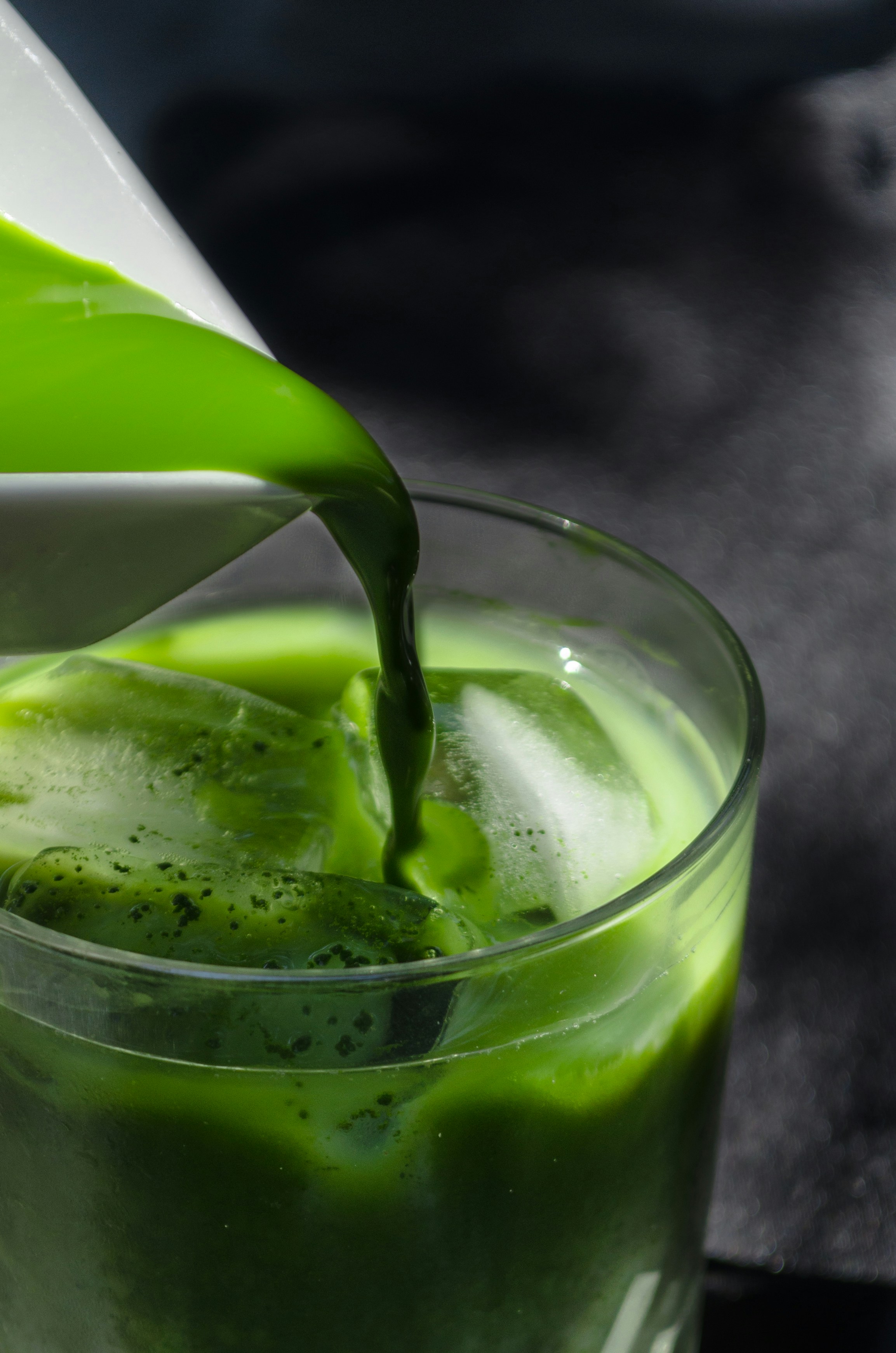
Contemporary matcha culture has expanded preparation methods to include lattes, smoothies, and culinary applications. For matcha lattes, combine 1-2 teaspoons of matcha powder with hot water (160-170°F) to create a smooth base, then add 8-10 ounces of steamed milk or plant-based milk alternative. Sweeteners like honey, agave, or simple syrup can be added according to preference. Matcha blends seamlessly into smoothie bowls, ice cream, baked goods, noodles, and various desserts, though these applications typically use culinary grade matcha rather than ceremonial quality.

Note: While convenient and delicious, modern preparations often prioritize taste over the mindful ritualism of traditional matcha ceremony.

Comprehensive Health Benefits

Matcha represents one of nature's most nutrient-dense beverages, containing exceptional concentrations of beneficial compounds:

L-Theanine for Mental Clarity

Matcha contains approximately 100-200mg of L-theanine per serving, significantly higher than other teas. This amino acid crosses the blood-brain barrier and promotes alpha wave generation in the brain, creating a state of relaxed alertness and mental clarity. Unlike coffee's abrupt caffeine spike, matcha's L-theanine combines with caffeine for sustained mental focus without jitteriness or energy crashes.

Powerful Antioxidants

Matcha contains catechins, a type of polyphenol with exceptional antioxidant properties. The EGCG (epigallocatechin gallate) concentration in matcha is approximately 137 times higher than in regular green tea. These compounds combat free radicals, support cellular health, and reduce oxidative stress throughout the body. Regular matcha consumption has been associated with reduced risk of chronic diseases including heart disease and certain cancers.

Metabolism and Energy Support

The combination of matcha's caffeine content (25-70mg per serving depending on preparation) with the metabolic-enhancing properties of EGCG creates a synergistic effect that supports healthy metabolism. Studies suggest regular matcha consumption may increase calorie burning and fat oxidation, particularly during moderate exercise.

Cardiovascular Health

The polyphenols in matcha have been shown to support healthy cholesterol levels, reduce blood pressure, and improve overall cardiovascular function. Regular consumption may reduce the risk of heart disease and support healthy blood vessel function.

Brain Function and Neuroprotection

Beyond L-theanine's mental clarity benefits, matcha's antioxidants support overall brain health and may help protect against neurodegenerative diseases. The synergistic combination of caffeine and EGCG appears to enhance memory formation and cognitive function.

Immune System Support

Matcha contains chlorophyll, polysaccharides, and numerous vitamins and minerals that support immune function. Regular consumption has been associated with enhanced immune response and reduced susceptibility to common illnesses.

Developing Your Matcha Palate

Visual Assessment: High-quality matcha displays a vibrant, bright jade green color. The powder should appear fine and uniform without clumping or discoloration. Ceremonial grade matcha shows a more vivid, almost neon green hue compared to culinary grades.

Aroma: Fresh matcha carries a distinctive vegetal aroma with subtle grassy, seaweed-like notes and underlying sweetness. Quality matcha should smell fresh and inviting without any musty or oxidized notes. The aroma intensifies slightly when hot water is added.

Flavor Progression: Initial taste presents sweet, umami notes with underlying vegetal character. As the matcha warms in your mouth, additional layers emerge including grassy notes, subtle bitterness, and creamy sweetness. The finish should be clean and slightly lingering without harsh astringency.

Mouthfeel: Quality matcha creates a smooth, creamy texture that coats the palate pleasantly. The whisked foam provides a luxurious sensation. Inferior matcha may taste gritty or overly astringent.

Selecting and Storing Quality Matcha

Origin and Certification: Authentic Japanese matcha is marked by origin designation (Uji, Nishio, Yame, etc.). Verify that your matcha is genuine Japanese product, preferably with organic certification. Be cautious of inexpensive matcha that may be adulterated or from low-quality sources.

Color Assessment: Vibrant, bright green indicates quality and freshness. Dull olive or yellowish-green suggests age or improper storage. The color should be uniformly consistent throughout the powder without variations or discoloration.

Texture and Fineness: Quality matcha powder feels exceptionally fine and light, almost like talcum powder. Avoid matcha that feels gritty or clumpy. The fineness indicates proper stone-grinding and quality processing.

Storage Requirements: Matcha is highly susceptible to degradation from light, heat, and moisture. Store in an airtight, opaque container in a cool location away from direct sunlight. Refrigeration extends shelf life to 6-12 months. Once opened, consume within 2-3 weeks for optimal freshness and nutritional content. Freezing is an option for long-term storage but must be done in airtight containers to prevent moisture absorption.

Price Considerations: Authentic premium matcha typically costs $15-40 per ounce, with ceremonial grade commanding higher prices. Extremely cheap matcha is likely low quality. Conversely, astronomical prices don't always guarantee better quality—focus on reputable producers and proper storage indicators.

Related Content & Explorations