Health Benefits of Traditional Herbal Teas
Discover scientifically-supported wellness properties of herbal infusions spanning traditional medicine and modern nutritional science.
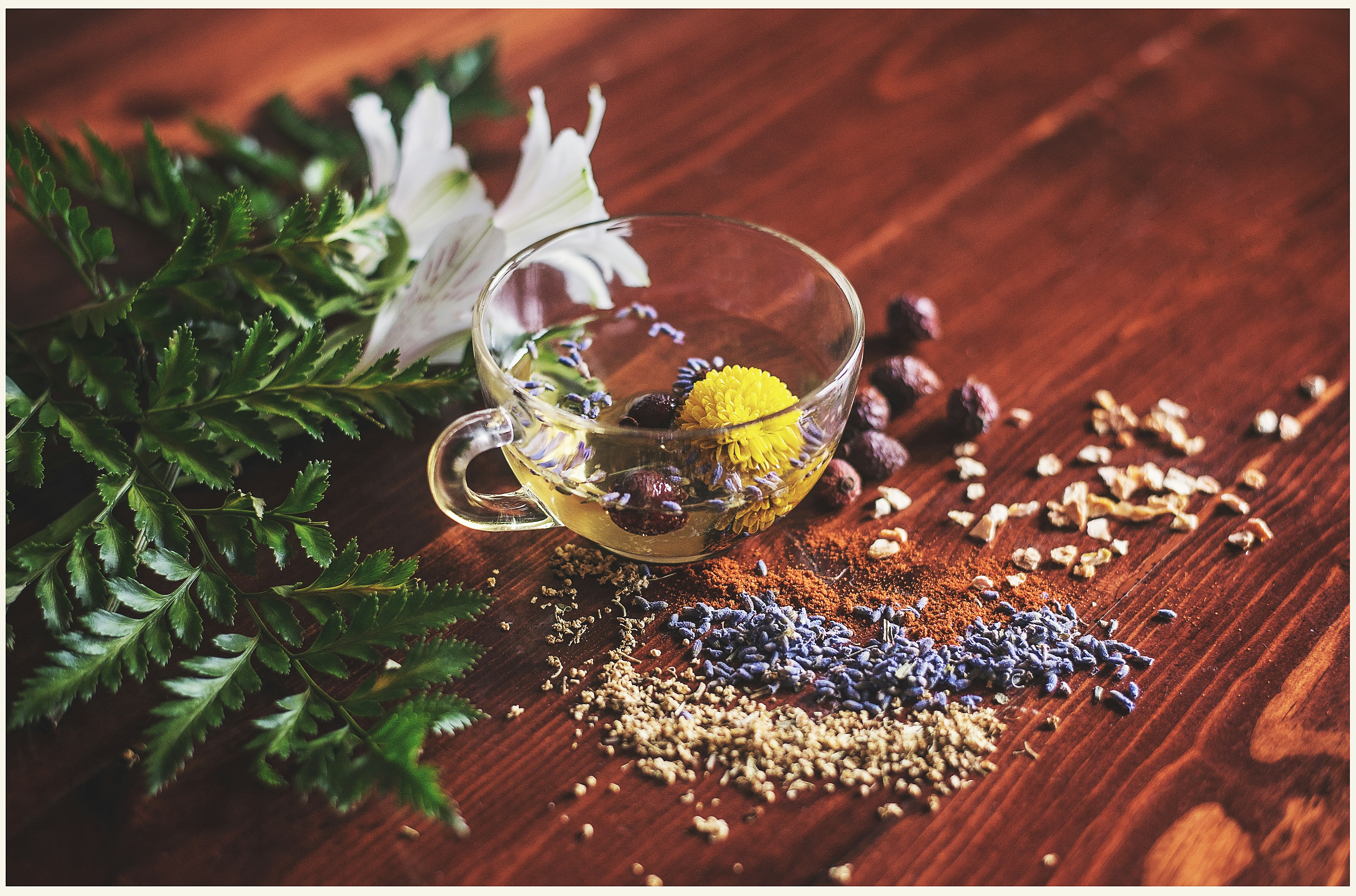
Discover scientifically-supported wellness properties of herbal infusions spanning traditional medicine and modern nutritional science.
Herbal teas represent humanity's oldest wellness traditions, with archaeological evidence supporting use over 5,000 years ago. Traditional medicine systems across cultures—Traditional Chinese Medicine, Ayurveda, Native American herbalism, European herbalism—independently developed sophisticated understandings of how specific plants support health. Modern scientific research increasingly validates these traditional uses, identifying specific bioactive compounds responsible for observed health effects.
The key distinction between herbal tea wellness claims and scientific evidence involves rigorous research methodology. While anecdotal reports provide initial research hypotheses, peer-reviewed clinical studies examining specific compounds and health outcomes establish credibility. This guide emphasizes herbal teas with substantial scientific support, avoiding unsubstantiated miracle cure claims while acknowledging genuine, scientifically-documented health benefits.
Understanding herbal tea benefits enables informed health choices, allowing consumers to leverage these traditional beverages as components of comprehensive wellness strategies combining proper nutrition, exercise, stress management, and adequate sleep.
Digestive health represents herbal tea's most extensively researched wellness application. Multiple herbs demonstrate clear benefits for digestive comfort, motility, and microbial balance.
Ginger Root: Extensive research confirms ginger's effectiveness for nausea reduction, particularly chemotherapy-related and motion sickness-related nausea. The compound gingerol acts on multiple nausea pathways, providing relief comparable to pharmaceutical antiemetics without adverse effects. Additionally, ginger stimulates digestive enzyme secretion, improving food breakdown and nutrient absorption while reducing bloating and cramping.
Peppermint: The essential oil component menthol relaxes intestinal smooth muscle, reducing spasms associated with irritable bowel syndrome. Clinical trials demonstrate peppermint tea's effectiveness for IBS symptom reduction, particularly abdominal pain. Furthermore, peppermint stimulates bile production, supporting fat digestion and improving nutrient absorption from dietary fats.
Fennel Seeds: Fennel contains compounds with antimicrobial and anti-inflammatory properties. Research demonstrates fennel seed tea effectiveness for reducing bloating, cramping, and flatulence. Traditionally used in infant colic treatments, fennel provides gentle digestive support safe for sensitive systems.
Chamomile: Beyond sleep support, chamomile provides digestive benefits through anti-inflammatory compounds like apigenin. Regular chamomile consumption supports digestive lining health, reduces inflammation, and promotes beneficial bacterial growth in the gastrointestinal system.
Several herbal teas demonstrate immune-supporting properties through multiple mechanisms including antimicrobial activity, immune cell stimulation, and inflammation modulation.
Echinacea: Extensive research supports echinacea's immune-enhancing effects. The herb stimulates white blood cell production and activity while exhibiting direct antimicrobial properties. Multiple clinical trials demonstrate echinacea's effectiveness for reducing cold duration and severity when taken at symptom onset.
Elderberry: Elderberry contains anthocyanins with powerful antiviral properties. Studies demonstrate elderberry's effectiveness for reducing influenza severity and duration. The berry's polyphenol content provides antioxidant protection reducing viral infection susceptibility.
Turmeric: Curcumin, turmeric's primary active compound, exhibits exceptional immune-modulating properties. Research demonstrates curcumin's ability to enhance immune cell function while reducing pro-inflammatory signals. When combined with black pepper (enhancing bioavailability 2000%), turmeric provides comprehensive immune support.
Ginger: Beyond digestive benefits, ginger provides immune support through antimicrobial and anti-inflammatory compounds. Research demonstrates ginger's effectiveness for reducing respiratory infection symptoms and supporting overall immune responsiveness.
Chronic inflammation underlies numerous modern disease processes. Herbal teas provide dietary antioxidants and anti-inflammatory compounds supporting systemic health.
Green Tea: Green tea's catechins provide extraordinary antioxidant power, with research demonstrating EGCG's (epigallocatechin gallate) cancer-preventive properties. The polyphenol combination reduces inflammatory markers throughout the body while supporting cardiovascular health through blood vessel function improvements and cholesterol management.
White Tea: Even less oxidized than green tea, white tea contains exceptional antioxidant density. Research suggests white tea's polyphenols provide superior skin protection against UV damage, support bone health through mineral retention, and reduce cardiovascular disease markers.
Rooibos: This South African herb contains unique compounds absent from other tea plants. Research demonstrates rooibos's antioxidant properties and anti-inflammatory effects. Notably caffeine-free, rooibos provides afternoon and evening antioxidant benefits without sleep disruption.
Hibiscus: Hibiscus tea contains anthocyanins providing antioxidant and anti-inflammatory benefits. Research demonstrates hibiscus's effectiveness for modestly reducing blood pressure and supporting cardiovascular health through multiple mechanisms.
Sleep quality profoundly affects overall health, with chronic sleep disruption linked to numerous disease processes. Herbal teas provide gentle, non-habit-forming sleep support through multiple mechanisms.
Chamomile: Chamomile's apigenin compound interacts with brain receptors promoting relaxation and sleep initiation. Multiple clinical trials demonstrate chamomile's effectiveness for improving sleep quality and duration in individuals with chronic insomnia. The herb works gradually through regular use rather than providing dramatic immediate sedation.
Valerian Root: Research confirms valerian's sleep-supporting properties through multiple mechanisms including GABA pathway stimulation. Clinical studies demonstrate valerian's effectiveness for reducing sleep initiation time and improving sleep quality, particularly in individuals with chronic insomnia. Effects develop gradually through consistent use.
Passionflower: This vine's aerial parts contain compounds promoting relaxation without sedation. Research demonstrates passionflower's effectiveness for anxiety reduction and improving sleep quality. Unlike prescription sedatives, passionflower supports natural sleep architecture without disrupting sleep stages.
Lemon Balm: Lemon balm's pleasant flavor combines with documented anxiety-reducing properties. Research demonstrates the herb's effectiveness for stress-related sleep disruption through gentle relaxation without side effects or habit formation.
Several herbal teas demonstrate specific benefits for women's health through hormone-modulating properties and targeted nutritional support.
Red Raspberry Leaf: Rich in minerals and compounds supporting uterine health, red raspberry leaf tea has been used traditionally throughout pregnancy to support healthy labor. Research demonstrates red raspberry leaf's effectiveness for improving pregnancy outcomes and reducing complications when used consistently during pregnancy.
Sage: Sage contains phytoestrogens supporting hormonal balance through gentle plant compounds. Research demonstrates sage's effectiveness for reducing hot flashes and night sweats associated with menopause, offering relief without pharmaceutical hormone therapy.
Dong Quai: This traditional Chinese medicine herb demonstrates effectiveness for supporting hormone balance and reducing menstrual discomfort. Research suggests dong quai's benefits for irregular cycles and menopausal symptoms through multiple mechanisms.
Vitex (Chasteberry): Research demonstrates vitex's effectiveness for supporting progesterone production and addressing cycle irregularities. The herb appears particularly beneficial for conditions like PCOS and luteal phase symptoms, with effects developing gradually over months of consistent use.
Several herbal teas provide neuroprotective benefits, supporting cognitive function and potentially reducing neurodegenerative disease risk.
Ginkgo Biloba: Extensively researched for cognitive benefits, ginkgo's flavonoids improve cerebral blood flow while providing antioxidant protection. Clinical trials demonstrate ginkgo's effectiveness for improving memory, focus, and potentially slowing cognitive decline in aging populations.
Green Tea: Beyond general antioxidant properties, green tea's EGCG demonstrates specific neuroprotective effects reducing Alzheimer's and Parkinson's disease markers in research models. Human studies suggest regular green tea consumption may reduce neurodegenerative disease risk.
Rosemary: Rosemary's carnosic acid provides neuroprotection through multiple mechanisms. Traditional memory-supporting herb, contemporary research validates rosemary's effectiveness for improving cognitive function and attention. The herb's aromatic compounds also provide benefits through inhalation effects.
Different herbs require different temperatures to properly extract beneficial compounds. Delicate herbs (chamomile, peppermint) steep effectively in water around 160-170°F, preventing bitterness from over-extraction. Hearty roots and barks (ginger, turmeric) benefit from boiling water and extended steeping. Water too cool prevents proper extraction, while excessively hot water can damage heat-sensitive compounds.
Optimal steeping times vary by herb—typically 5-10 minutes for leaves and flowers, 10-15 minutes for roots and barks. Initial 3-5 minutes extracts primary compounds, while extended steeping increases bitterness without proportional benefit increase. Covering tea during steeping prevents volatile compound loss through steam.
Most herbal tea benefits develop through consistent daily or regular consumption rather than occasional use. Therapeutic benefits typically require 3-6 cups weekly minimum, though individual needs vary. Starting with smaller quantities allows tolerance assessment before increasing consumption.
Organic certification ensures absence of pesticides that could undermine health benefits. Whole dried herbs generally contain more bioactive compounds than powdered versions, which degrade more rapidly. Storing herbal teas in cool, dark, dry conditions preserves beneficial compounds longer than storing in light or warm locations.
While generally safe, certain herbal teas may interact with medications or prove inappropriate for specific populations. Individuals on blood-thinning medications should consult healthcare providers before consuming ginger or turmeric in large quantities. Pregnant individuals should consult practitioners before consuming herbs like vitex, sage, or dong quai. Those with caffeine sensitivity should note that even "caffeine-free" herbal teas may contain trace amounts.
Herbal teas represent complementary wellness approaches enhancing rather than replacing conventional medical care. While research supports numerous health benefits, herbal teas shouldn't substitute for medical treatment of serious conditions. Consulting healthcare providers before beginning herbal tea regimens proves prudent, particularly for individuals on medications or with pre-existing conditions.