A renaissance in beer culture featuring innovative brewing techniques, diverse flavor profiles, and the global movement of independent brewers revolutionizing the industry.
The craft beer movement represents one of the most significant transformations in the beverage industry during the past fifty years. Beginning modestly in 1965 with a single homebrewer named Fritz Maytag who purchased the historic Anchor Brewery in San Francisco, the movement has evolved into a global phenomenon that fundamentally reshaped beer culture, consumer preferences, and industrial structures worldwide.
Prior to the craft beer renaissance, the beer market was dominated by massive industrial breweries producing standardized, homogenized lagers optimized for mass production rather than flavor complexity. The American beer industry, in particular, had consolidated into a handful of corporations producing nearly identical beers. This landscape presented an opportunity for passionate individuals who believed beer could offer far greater diversity and quality.
The legalization of homebrewing in the United States in 1978 served as a crucial catalyst for craft beer's expansion. Hobbyists began experimenting with brewing techniques, ingredients, and beer styles, many of which had disappeared from commercial production. These homebrewers discovered that traditional brewing methods and diverse grain, hop, and yeast combinations could produce beers of remarkable quality and variety. Many progressed from homebrewing to commercial operations, establishing the first wave of microbreweries and brewpubs.
By the 1990s, the craft beer movement had reached critical mass in the United States. Breweries in places like Seattle, Portland, Denver, and San Francisco became destinations for beer enthusiasts seeking new experiences. The movement gradually spread internationally, with craft brewing scenes developing in Belgium, Germany, the United Kingdom, and eventually throughout Europe and beyond.
Today, thousands of independent breweries operate worldwide, producing countless beer styles ranging from traditional reproductions of historical beers to completely innovative creations. The craft beer movement has demonstrated that consumers value quality, diversity, and authenticity over convenience and uniformity. This shift has even influenced the major beer corporations, which increasingly acquire craft breweries and attempt to replicate the craft aesthetic in their portfolios, acknowledging craft beer's cultural significance and market influence.
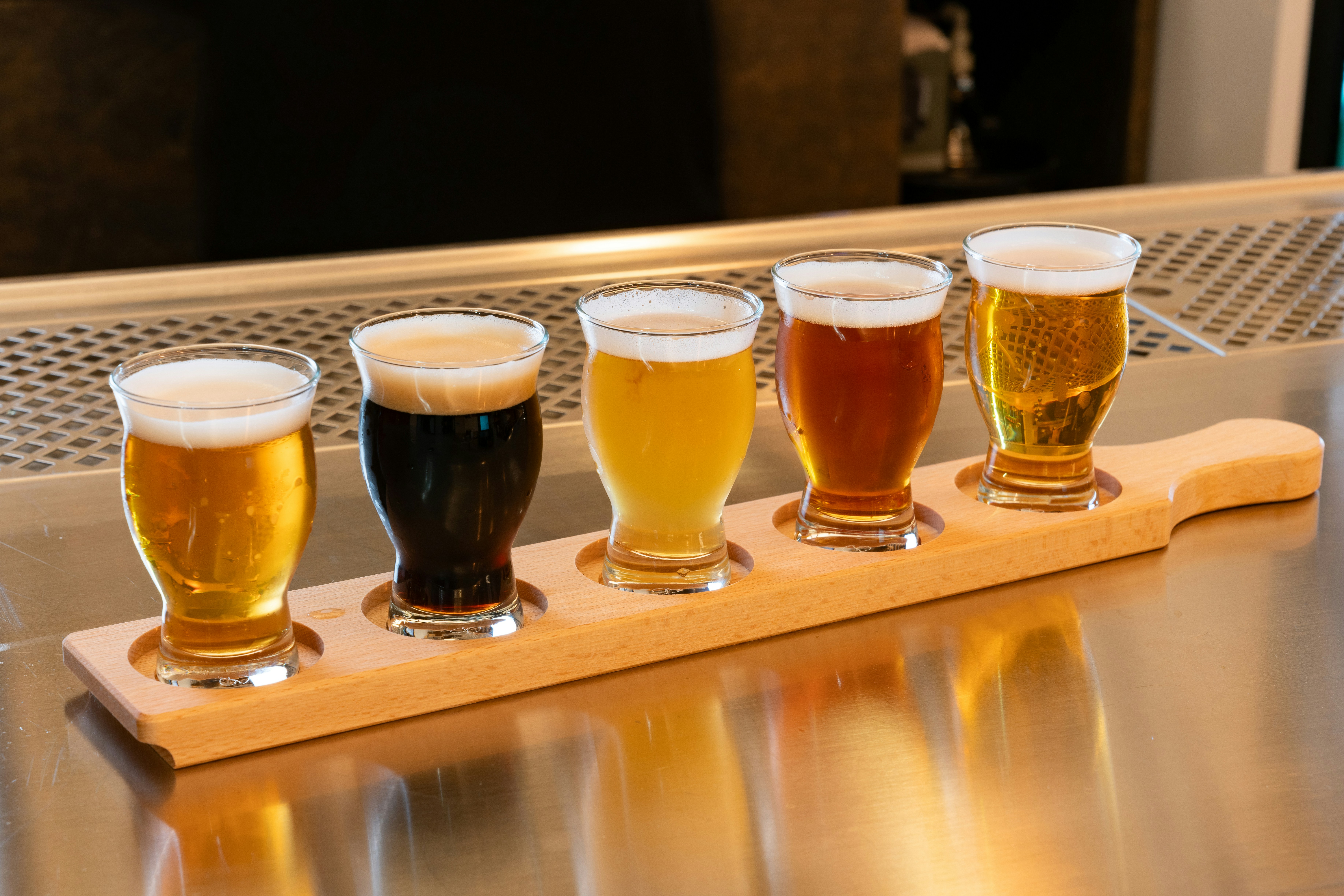
Beer styles represent distinct categories defined by brewing methods, ingredients, flavor profiles, and historical origins. Modern craft breweries explore both traditional styles and innovative variations.
Pilsner: Originating from Bohemia, Pilsner beers feature a pale golden color, noble hop character, crisp finish, and balanced malt sweetness. Craft brewers often recreate historical Pilsner recipes while experimenting with different hop varieties to create modern interpretations.
Helles: A pale Bavarian lager emphasizing malt character over hop bitterness. Helles beers offer a clean, refreshing drinking experience with subtle complexity from quality malt selection.
IPA (India Pale Ale): The flagship of the craft beer movement, IPAs emphasize hop bitterness, aroma, and flavor. Born from British brewing history, American IPAs revolutionized beer culture by celebrating hops in ways previously unconsidered. Substyles include West Coast IPA, New England IPA, Double IPA, and countless variations.
Pale Ale: A distinctly American creation combining British ale traditions with American hop varieties. Pale ales offer moderate alcohol content (4.5-6%), balanced malt and hop presence, and approachable flavor profiles making them excellent entry-point craft beers.
Stout and Porter: Dark beers featuring roasted malt character creating coffee, chocolate, and cocoa notes. Stouts historically contained higher alcohol and were brewed for export, while porters were engineered for London's working class. Modern craft versions explore creative adjuncts and techniques.
Saison and Farmhouse Ales: Traditionally brewed for farmworkers, Saisons feature complex yeast-driven flavors, spicy phenolics, and effervescent carbonation. Craft brewers revitalize these styles while creating modern variations pushing flavor boundaries.
Session Beers: Lower alcohol (<4%) beers designed for extended consumption without intoxication, allowing flavor appreciation in social settings.
Fruit and Spice Beers: Craft brewers incorporate fruit adjuncts, spices, and herbs, creating wild flavor combinations ranging from subtle enhancements to aggressively experimental offerings.
Sour Beers: Intentionally sour beers created through wild yeast fermentation or bacterial souring agents. Once considered flawed, sours have become respected styles celebrated for complexity and refreshing tartness.
Craft brewing combines centuries-old techniques with modern precision, allowing brewers to achieve consistent quality while maintaining the artisanal character that defines craft beer.
Craft brewers carefully select malted grains, hops, yeast, and water to create their signature products. Unlike industrial breweries that standardize ingredients, craft breweries often work with specialty malt producers and hop farmers to source unique ingredients. Some breweries develop exclusive hop varieties or work with specific malting houses to achieve desired flavor profiles. Water chemistry, often overlooked in industrial brewing, becomes carefully balanced in craft operations to complement the brewing style.
Malted grains are combined with carefully controlled hot water to extract fermentable sugars and flavor compounds. This mashing stage critically impacts final beer flavor. Craft brewers manipulate mash temperatures and durations to emphasize specific flavor characteristics or achieve target alcohol levels. Some breweries employ multiple mashing cycles or specialty equipment to maximize ingredient potential.
Hops are added at different stages of the brewing process, creating distinct effects. Early additions (60-90 minutes before completion) primarily contribute bitterness balancing malt sweetness. Mid-boil additions (30-45 minutes) create flavor and aroma balance. Late additions (final 15 minutes or at flameout) emphasize aromatic character. Dry-hopping—adding hops post-fermentation—intensifies hop aroma without additional bitterness. Craft brewers meticulously choreograph hop additions to achieve desired balance.
After boiling and cooling, yeast is added to convert sugars into alcohol and CO2. Temperature control during fermentation dramatically impacts flavor development. Lager yeasts ferment at cooler temperatures (50-55°F) creating clean, crisp profiles. Ale yeasts ferment warmer (60-70°F) producing fruity, phenolic characters. Craft breweries often employ sophisticated fermentation temperature control to achieve repeatable results while exploring how fermentation affects flavor.
After primary fermentation, beers undergo conditioning to carbonate, integrate flavors, and develop complexity. Some styles require extended aging in stainless steel tanks or wooden barrels. Barrel-aging introduces oak character and sometimes additional microbial fermentation, creating unique flavor profiles impossible in standard conditioning. Craft breweries increasingly experiment with barrel-aging, creating collectable specialty releases.
Craft breweries package beer in various formats—aluminum cans, glass bottles, and growlers—each affecting flavor preservation and consumer experience. Some breweries eschew pasteurization, relying on cold storage and careful handling to maintain freshness. Others use filtration or force-carbonation methods different from industrial standards. Packaging choices reflect the craft brewery's philosophy regarding quality and consumer experience.
Glassware Selection: Different beer styles benefit from specific glassware. IPAs suit tulip or IPA-specific glasses that concentrate hop aroma. Stouts work well in nonic or snifter glasses. Lighter styles like pale ales suit pint glasses. Proper glassware enhances aroma perception and flavor appreciation, fundamental to craft beer appreciation.
Appearance Assessment: Observe color, clarity, and head formation. Craft beers display wide color ranges from pale gold to opaque black. Note the head's density, persistence, and lacing (residue left on glass sides). These visual indicators suggest fermentation methods, ingredient choices, and carbonation levels.
Aroma Evaluation: Bring the glass to your nose and identify aromatic compounds. Quality craft beer presents multiple aroma layers—initial hop character, malt sweetness, fermentation byproducts, and any special ingredients. Inhale deeply multiple times as aromas evolve. This crucial step predicts flavor characteristics and allows appreciation of brewers' ingredient selections.
Flavor Tasting: Take small sips, allowing beer to contact all palate areas. Notice initial taste, how flavors evolve, and the finish. Quality craft beer displays complexity—multiple flavor layers that develop as you drink. The finish should be clean and distinctive, not harsh or excessively astringent.
Mouthfeel Consideration: Assess beer's body—thin and crisp, medium and balanced, or full-bodied and creamy. Carbonation level affects drinking experience. Bitterness perception varies individually; note how any hop bitterness integrates with malt sweetness.
Temperature Matters: Serve craft beer at appropriate temperatures—typically 45-55°F for lagers, 50-60°F for pales and IPAs, 55-65°F for darker styles. Warmer temperatures allow flavor complexity to emerge, while too-cold serving mutes nuanced characteristics.
Craft beer's flavor diversity creates exceptional food pairing opportunities, rivaling wine in versatility.
Visiting Breweries: Direct brewery visits support local businesses while allowing firsthand appreciation of brewing operations, often resulting in unique tasting experiences and exclusive releases unavailable elsewhere.
Brewery Events and Tastings: Most craft breweries host seasonal events, tap takeovers, food pairings, and educational sessions. Attending these events supports the brewing community while expanding your knowledge and tasting experience.
Purchasing Local: Prioritizing local and regional breweries over mass-produced options ensures your purchasing power supports independent businesses and sustains craft brewing's growth.
Community Engagement: Many craft breweries contribute significantly to local communities through fundraising, sponsorships, and civic participation. Supporting these establishments strengthens entire communities.